Relocating from the Northeast to Sarasota: What Buyers from NY, NJ, CT, and MA Need to Know
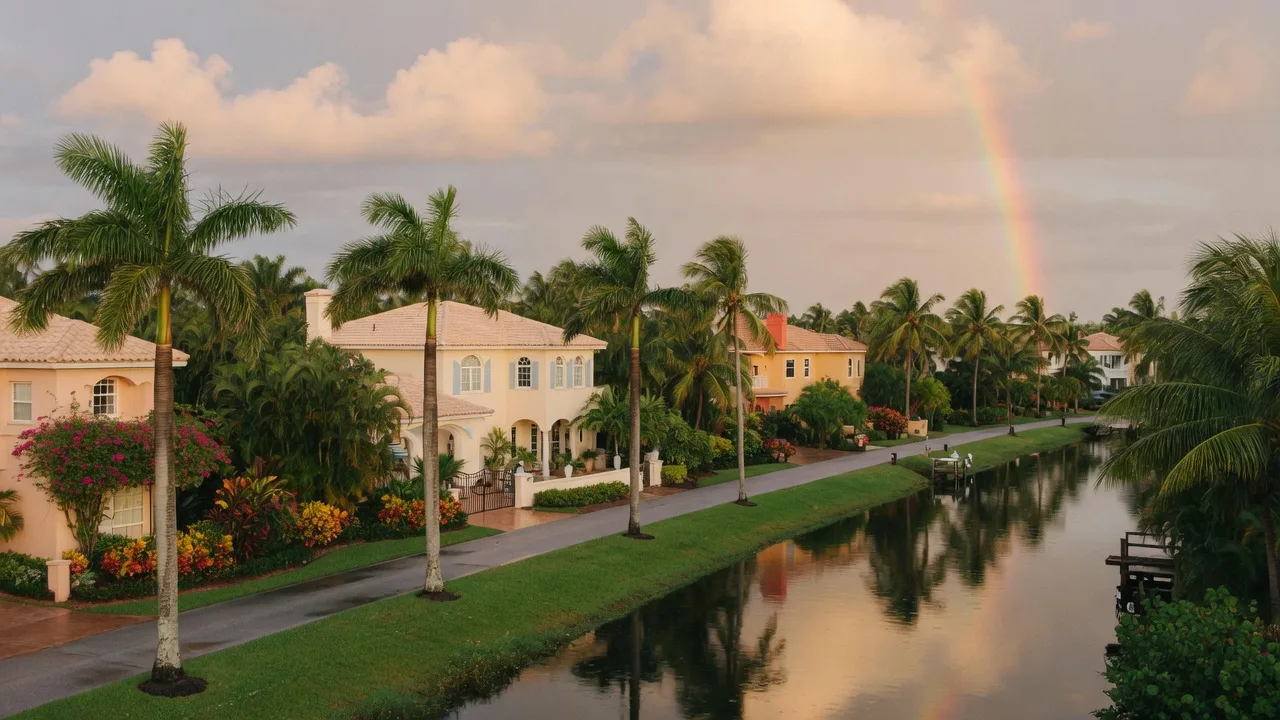
Every week I speak with buyers who are considering a move from the Northeast to Southwest Florida. They call from New York, New Jersey, Connecticut, and Massachusetts, and they all share a similar story: they are tired of the winters, curious about Florida's tax advantages, and drawn to the Gulf Coast lifestyle. But they also have real questions about what the transition actually looks like. Having made a similar move myself from Michigan, and having helped dozens of Northeastern buyers do the same, I understand the concerns and I know what questions to ask before you pack the moving truck.
Why Buyers from the Northeast Are Choosing Sarasota
The reasons are consistent. Florida's absence of state income tax is a meaningful advantage for retirees, business owners, and high-income earners. When you factor in the elimination of state income tax, inheritance tax, and estate tax, the annual savings can be substantial. But the tax benefits are only part of the equation. Buyers from the Northeast are also drawn to the quality of life here: 250 days of sunshine, world-class beaches within 15 minutes of almost every neighborhood, and a pace of life that is noticeably more relaxed than what they are used to.
The Sarasota to Venice corridor offers a particularly compelling mix of cultural amenities and coastal living. The Ringling Museum, Sarasota Opera, and Van Wezel Performing Arts Hall provide the cultural depth that Northeastern buyers expect, while Siesta Key Beach, the Legacy Trail, and the barrier islands deliver the outdoor lifestyle that Florida promises. For buyers who are used to paying premium prices for coastal property in the Hamptons, Cape Cod, or the Jersey Shore, the Gulf Coast offers a comparable lifestyle at a more accessible price point.
The Real Cost of Living: What Northeastern Buyers Don't Expect
The first conversation I have with every out-of-state buyer is about the complete cost picture, not just the purchase price. And for buyers from the Northeast, there are a few items that consistently come as a surprise.
Homeowners Insurance
This is the single biggest line-item surprise. Homeowners insurance in Florida has risen significantly in recent years, with premiums often running 200 percent or more above what Northeastern buyers are used to paying. Hurricane deductibles typically range from 2 to 5 percent of the insured value, which means a $500,000 home could carry a deductible of $10,000 to $25,000 for windstorm damage. Flood insurance adds another layer: it is required for properties in designated flood zones, and many coastal properties fall into that category. I work with every buyer to build a complete insurance cost projection before they commit to a property, so there are no surprises at closing.
HOA and CDD Fees
Homeowners associations are standard in most Southwest Florida communities, and they are generally more expensive and more involved than what Northeastern buyers are accustomed to. In master-planned communities like Palmer Ranch, Wellen Park, and Lakewood Ranch, you may also encounter Community Development District fees on top of HOA dues. These fees can range from a few hundred dollars per month to well over $600 in premium golf and waterfront communities. The trade-off is that the fees typically cover lawn maintenance, common area upkeep, community pools, fitness centers, and security. It is a different model than what most Northeastern buyers have experienced, but once you understand what the fees cover, the value becomes clearer.
Utility Costs
Air conditioning runs year-round in Florida, and that shows up on your electric bill. Summer utility costs for a typical single-family home range from $180 to $280 per month, significantly higher than what most Northeastern buyers are used to. Water bills also tend to run higher, particularly during the dry season when irrigation is essential. These are manageable expenses, but they need to be factored into your monthly budget.
The Lifestyle Adjustment: What to Expect
The financial differences are straightforward. The lifestyle differences are more nuanced and worth discussing openly.
The Heat Is Real
June through September in Southwest Florida brings daily highs above 90 degrees with humidity that can be intense, especially for newcomers. The key is to adjust your daily rhythm: plan outdoor activities for early morning or late afternoon, build in time for the afternoon thunderstorms (which are usually brief and dramatic), and invest in quality window treatments and a well-maintained air conditioning system. Most of my clients tell me they adapt faster than they expected. By their second summer, they barely notice it.
The Pace Slows Down
This is something I hear about from almost every Northeastern transplant. Life on the Gulf Coast moves at a different speed. People are friendlier, schedules are more flexible, and the sense of urgency that defines life in New York or Boston simply does not exist here. For some, this is the best part of the move. For others, it takes time to adjust. If you are used to a high-intensity professional environment, you will need to consciously slow down and embrace the rhythm of coastal living.
Hurricane Season Is Part of Life
June through November is hurricane season, and it is not something to ignore. But it is also not something to fear. I help every buyer understand their property's flood zone designation, evacuation route, and the practical steps for storm preparation. Most luxury homes in the area are built to current Florida building codes, which are among the strictest in the country. Impact windows, reinforced roofs, and whole-house generators are standard features in many higher-end properties. Once you have been through one season, you realize that preparation and awareness are the real keys to peace of mind.
Which Neighborhoods Suit Northeastern Buyers Best
The answer depends on what you are looking for, but there are a few patterns I see consistently.
Buyers from New York City who want walkability and cultural density tend to gravitate toward downtown Sarasota or the barrier islands like Lido Key and Siesta Key. The proximity to restaurants, galleries, and the bay makes the transition feel less drastic, and the walkability of St. Armands Circle and the downtown waterfront provides the urban energy that city dwellers miss.
Buyers from the New Jersey suburbs and Connecticut who are looking for master-planned communities with golf, tennis, and a built-in social network often prefer Palmer Ranch, Lakewood Ranch, or Wellen Park in Venice. These communities offer the structure, amenities, and security that appeal to families and active adults who want a turnkey lifestyle.
Buyers from Massachusetts and upstate New York who want a quieter, more private coastal retreat frequently choose Nokomis, Casey Key, or the West of Trail corridor in Sarasota. These areas offer larger lots, more privacy, and a slower pace that feels more like a permanent vacation than a suburban relocation.
The Practical Logistics of a Long-Distance Move
Relocating from the Northeast to Florida involves more than hiring a moving company. You will need to register your vehicles and transfer your driver's license within 30 days of establishing residency. You will want to establish Florida residency for tax purposes, which requires filing a Declaration of Domicile at the county courthouse. You will need to find new healthcare providers, and I recommend starting that process early, especially if you have ongoing medical needs.
I connect every out-of-state buyer with a network of trusted professionals who handle these logistics: a CPA who specializes in relocation tax planning, a property and casualty insurance agent who knows the Florida market, a title company that can coordinate a remote closing if you are not here on closing day, and a moving company with experience handling long-distance relocations. The logistics are manageable, but they are easier with someone who has guided others through them before.
My Northeast Buyers Are Thriving Here
I have helped buyers from all five boroughs, every New Jersey county, Connecticut, and Massachusetts find their homes on the Gulf Coast. The common thread in their feedback is that the move was the right decision, even with the adjustments. The quality of life, the natural beauty, and the sense of community here make the logistics worth navigating. And having someone who understands both the market and the transition makes the process feel less overwhelming.
If you are exploring the idea of moving from the Northeast to Sarasota, Venice, or Nokomis, I would love to hear from you. I know what the transition looks like from both sides, and I will make sure you have every piece of information you need to make the right decision for your family. Reach out anytime for a conversation with no pressure, just honest answers from someone who has been exactly where you are now.

Julie Papagni
Broker Associate, eXp Realty · 24 Years Experience